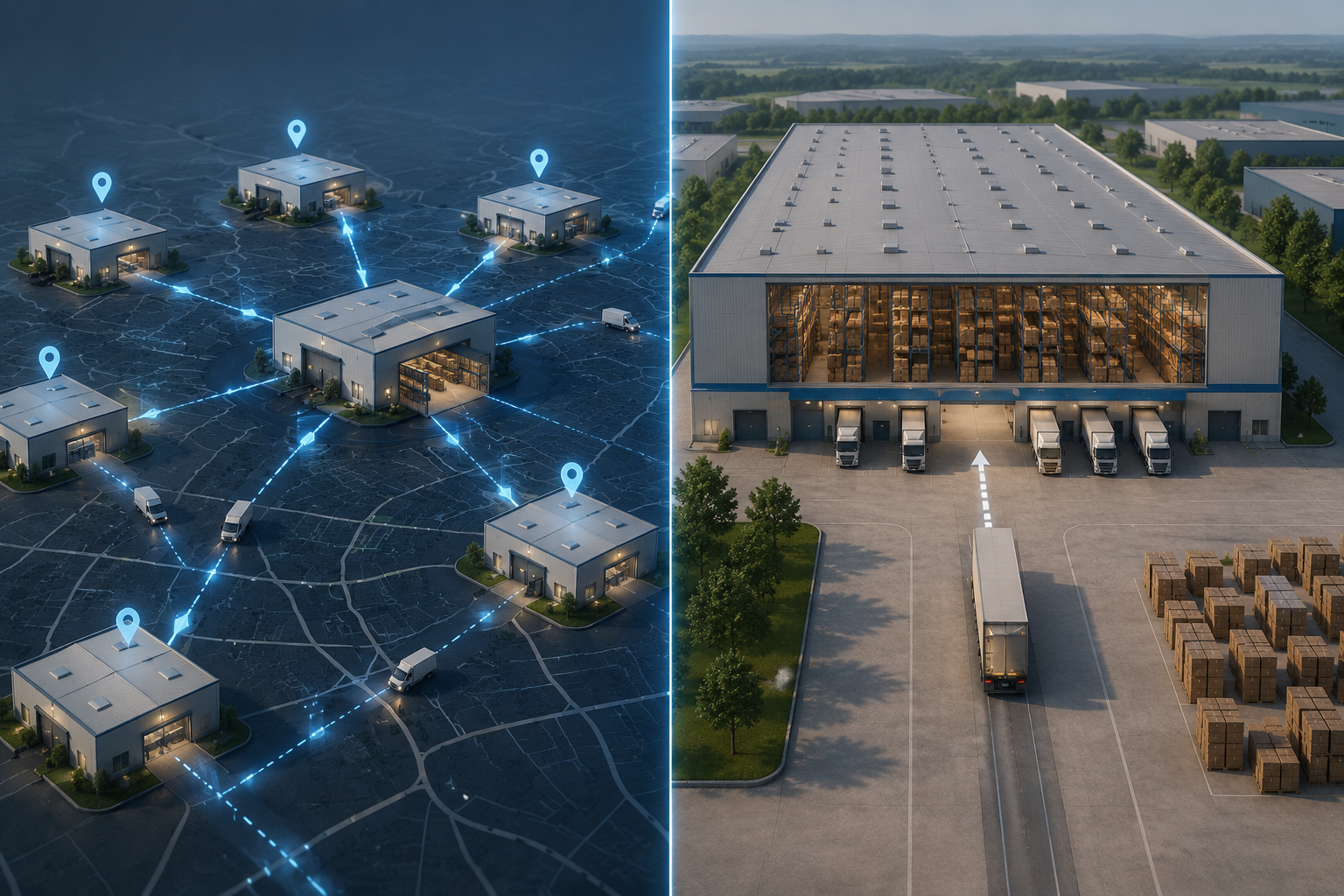
January 2026 confirms a defining shift: logistics assets are no longer static buildings-they are operating ecosystems.
From 2026, AI will no longer be a pilot project but an “operational co-pilot”. Approximately 80% of enterprises are expected to be using AI tools in their core logistics operations by 2026.
Logistics Parks Become Platforms
Modern logistics parks integrate multimodal access, power strategy, digital readiness, and compliance. These features are no longer premium-they are baseline expectations.
Energy and Logistics Converge
Solar readiness, EV infrastructure, and future alternative fuels are influencing site selection. Energy predictability now matters as much as rental predictability.
Data Is the Invisible Infrastructure
Real-time tracking, fleet intelligence, and AI-driven planning define asset relevance. Research shows AI adoption can reduce logistics emissions by 10-15% while improving efficiency and throughput (Reuters / World Economic Forum, Jan 2026).
Investment Follows Intelligence
Capital is flowing toward logistics platforms that combine digital visibility with sustainability. Recent funding in real-time shipment tracking highlights how logistics, climate resilience, and data are converging (Wall Street Journal, Jan 2026).
Actionable Takeaways
• Build data-ready logistics parks
• Prepare assets for energy transition
• Treat logistics infrastructure as long-term operating platforms
Visvasa Insight:
The future of logistics is systems, not square footage. Visvasa designs and delivers logistics ecosystems built for how supply chains will operate tomorrow.