On March 31, 2026, the final 102 km section connecting JNPT to Dadri was commissioned, completing the entire 1,506 km Western Dedicated Freight Corridor.
Most coverage called it an infrastructure milestone and moved on.
Here’s what that misses.
For 20 years, freight trains from India’s busiest container port still had to use the same congested general rail network to reach the hinterland. Once operational, freight trains from JNPT will no longer need to rely on conventional railway lines for any part of their journey to NCR, Haryana, and Punjab.
That last-mile connection is what makes the entire 2,843 km network actually work.
Together, the Eastern and Western DFCs were already handling 406 freight trains per day in December 2025. Full JNPT connectivity is expected to push that to 440 daily trains.
440 trains. Every day. On dedicated track, at higher speeds, with heavier loads than conventional rail permits.
For industrial real estate, the question now shifts from will the infrastructure arrive to who captures the freight volume it generates.
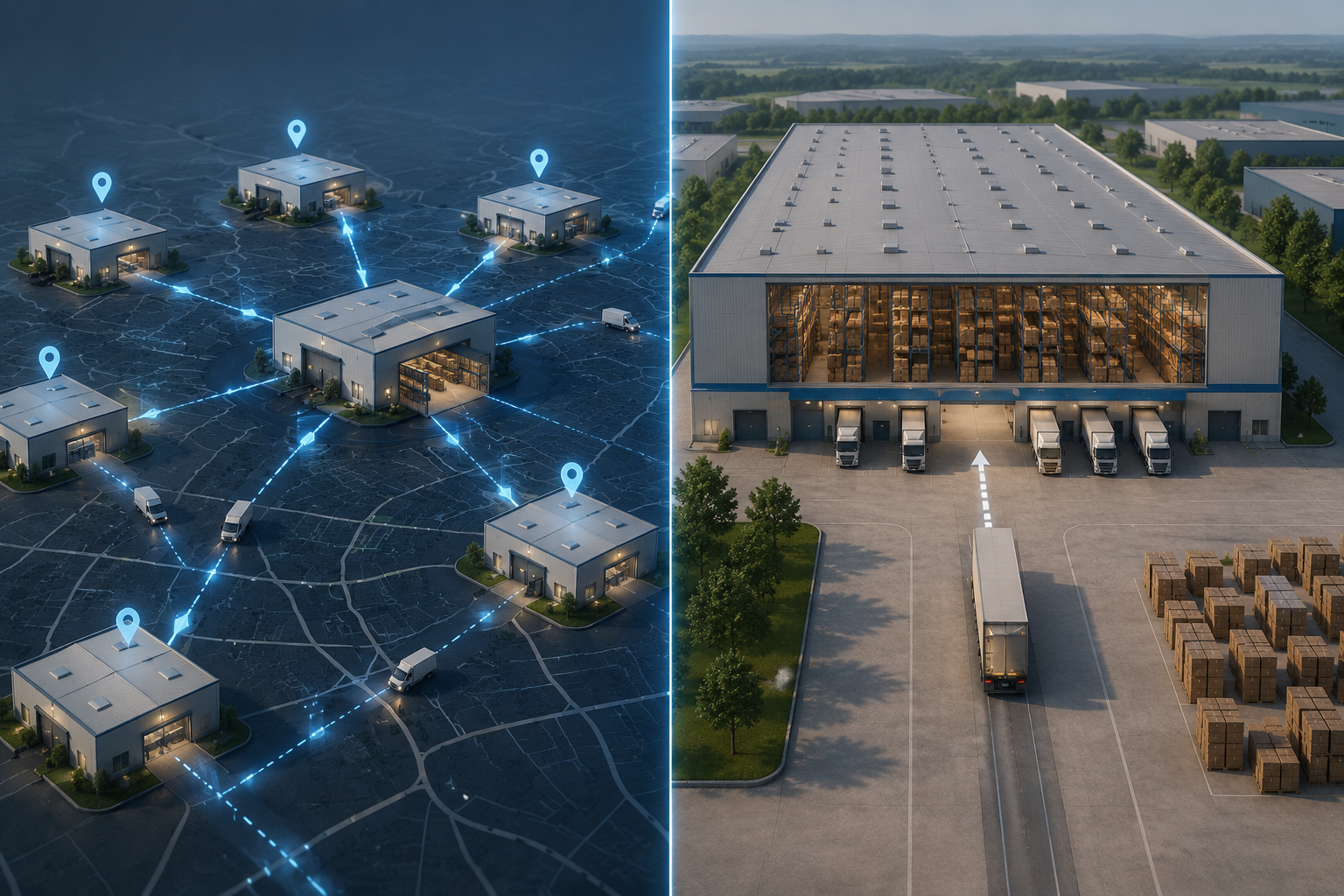
The answer is the nodes with multimodal access, where the DFC meets road,
meets port, meets warehouse stock.
That repricing isn’t coming. It’s already happening.