Energy wars don’t stay in the energy sector.
The Gulf region produces nearly 50% of the world’s urea and 30% of global ammonia, two fertilizers without which modern agriculture does not function.
Since the onset of the conflict, urea prices have risen 50%.
The cascade for India is direct:
Higher urea costs lead to increased farmer input expenses and, in turn, higher overall food production costs.
Ammonia shortages result in delayed crop cycles and reduced agricultural output.
Import disruptions cause depletion of domestic stockpiles, ultimately leading to price spikes at the retail level.
India imports approximately 6-7 million tonnes of urea annually. Most of it originates from or transits through the Gulf.
This is not a distant supply chain problem. It is food inflation in the making.
For businesses in agri-inputs, food processing, cold chain, or rural distribution, your cost base is about to change significantly.
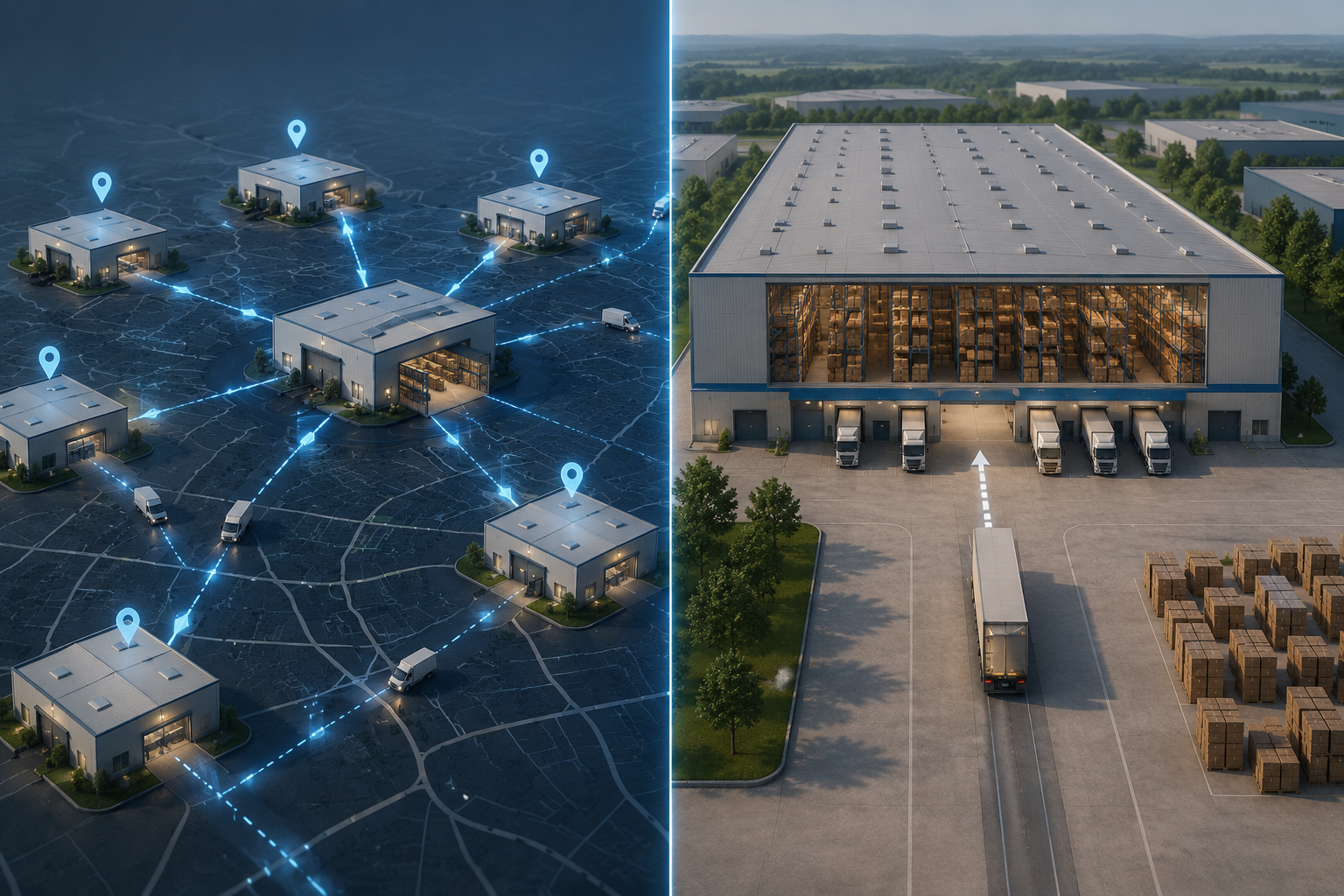
Visvasa works with agri and industrial supply chain businesses to build procurement buffers and logistics redundancy before the downstream shock arrives.
Is your supply chain upstream exposure mapped? Most aren’t.